TL;DR
Boston, Massachusetts, is a vibrant city rich in history and culture, offering a plethora of engaging Boston things to do. Among its many attractions, national monuments stand as testaments to the city’s past and present significance. This article delves into the must-visit national monuments in Boston, providing insights into their historical importance and the unique experiences they offer visitors.
Discovering Boston’s National Monuments
Boston, a city steeped in American history, boasts several national monuments that pay tribute to its revolutionary past and cultural heritage. These landmarks not only serve as educational resources but also offer visitors a chance to immerse themselves in the city’s captivating narrative.
1. Freedom Trail: A Walk Through History
The Freedom Trail is arguably Boston’s most iconic national monument, a 2.5-mile-long trail that weaves through 16 significant historic sites. This self-guided walking tour is a Boston thing to do that allows visitors to follow in the footsteps of America’s founding fathers. The trail begins at Boston Common and ends at the USS Constitution, passing by landmarks like the Old North Church, the site of the famous "one if by land, two if by sea" signal during the Revolutionary War.
Key Stops on the Freedom Trail:
- Boston Common and Public Garden: Start your journey here, where you can enjoy a peaceful walk or even a boat ride on the Public Garden’s scenic pond.
- Old State House: This 18th-century building witnessed the dramatic events of the Boston Massacre, a pivotal moment in the road to revolution.
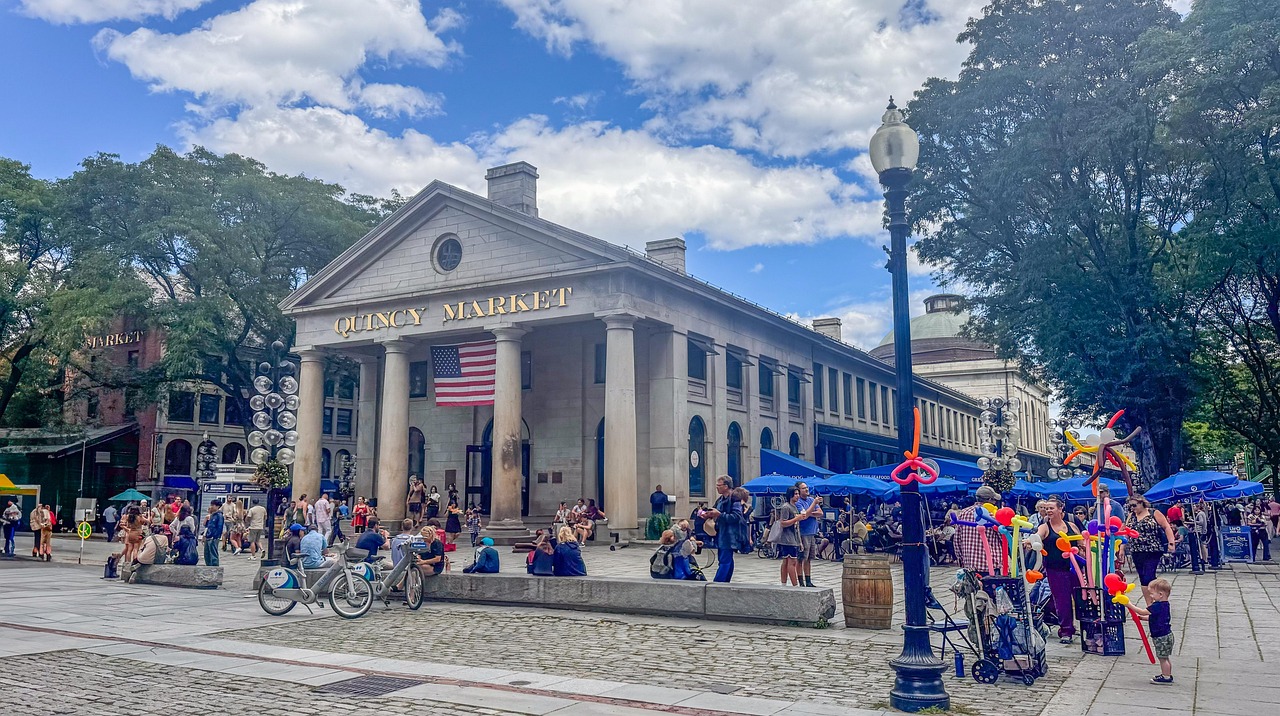
- Faneuil Hall: A vibrant marketplace and gathering spot since the 1700s, Faneuil Hall is now home to street performers, shops, and restaurants.
- Paul Revere House: Step back in time at this historic home, where Paul Revere lived and planned his famous ride to warn the colonies of the British invasion.
- USS Constitution: End your trail at this iconic ship, the oldest commissioned warship in the world still in service, and marvel at its maritime history.
2. Boston Common and Public Garden: Green Oases in the Heart of the City
Boston Common and the adjacent Public Garden are not just scenic spaces; they are national landmarks and a testament to the city’s commitment to preserving open areas for its residents and visitors. These green oases offer a tranquil escape from the bustling urban landscape.
- Boston Common: As America’s oldest public park, Boston Common has served various purposes, from a training ground for the militia to a gathering place for protests and celebrations. Today, it’s a place for picnics, concerts, and peaceful reflection.
- Public Garden: Designed in the 19th century, the Public Garden is renowned for its beautiful flowering plants, sculptures, and the iconic Swan Boats, a beloved Boston thing to do for all ages.
3. USS Constitution Museum: Unveiling Maritime Heritage
For history buffs and anyone interested in Boston’s naval past, the USS Constitution Museum is a must-visit national monument. Located near the iconic warship itself, the museum provides a comprehensive look at the "Old Ironsides" and the men who sailed her.
- Exhibits: The museum offers interactive exhibits, rare artifacts, and multimedia presentations that bring to life the stories of the ship’s crew and the battles she fought.
- Self-Guided Tours: Visitors can explore the USS Constitution on their own, delving into the ship’s history and standing on the very decks where battles were fought.
- Educational Programs: The museum hosts various educational programs, including lectures, films, and events, making it an ideal spot for learning about maritime history.
4. Paul Revere House Museum: Stepping Back in Time
The Paul Revere House, located in the heart of Boston’s North End, is where the renowned silversmith and patriot lived from 1770 to 1800. This national historic site offers a glimpse into the life of one of America’s most famous figures.
- Period Rooms: The museum features meticulously restored period rooms, showcasing the furniture, decor, and artifacts from Revere’s time.
- Interactive Displays: Interactive exhibits help visitors understand Revere’s role in the American Revolution, including his famous midnight ride.
- Special Programs: The Paul Revere House hosts special programs, such as reenactments and historical demonstrations, providing a lively and educational experience.
Planning Your Boston Monument Tour
When exploring Boston’s national monuments, consider the following tips to make the most of your Boston things to do itinerary:
- Start Early: Many of these sites are popular, so arriving early ensures you have enough time to explore each location thoroughly.
- Choose a Route: Given the Freedom Trail’s popularity, consider mapping out a route that includes other nearby landmarks to avoid crowds and maximize your time.
- Check Opening Hours: National monuments have varying operating hours, so it’s essential to check before your visit, especially during seasonal changes.
- Consider Guided Tours: Some sites offer guided tours that provide deeper insights into the history and significance of each location.
- Plan for Weather: Boston’s weather can be unpredictable, so dress appropriately and be prepared for changes in temperature.
Frequently Asked Questions (FAQs)
Q: Are there any other notable national monuments in Boston besides those mentioned?
A: Absolutely! While this article highlights some of Boston’s most famous national monuments, there are others that also offer unique experiences. The Boston Tea Party Ships & Museum is a popular attraction that brings to life the dramatic event of the Boston Tea Party. The Old South Meeting House, where the Boston Massacre and other revolutionary gatherings took place, is another significant site.
Q: Can I visit these monuments for free?
A: Most of Boston’s national monuments have an entry fee, although some offer free admission on certain days or during specific events. The Freedom Trail, for example, is free to walk, but some of the sites along the trail may have admission charges. It’s always a good idea to check the official websites of each monument for the latest information on pricing and any special offers.
Q: How long does it take to visit each monument?
A: The time required to visit each monument varies. While some, like Boston Common, can be explored in a few hours, others, such as the USS Constitution Museum, may take closer to 2-3 hours. The Freedom Trail, being a walking tour, typically takes 2-3 hours, but you can spend more time at each stop if you wish.
Q: Can I combine visiting these monuments with other Boston things to do?
A: Absolutely! Boston offers a wealth of attractions beyond its national monuments. You can easily combine a visit to these historical sites with exploring the city’s vibrant neighborhoods, enjoying its culinary scene, or experiencing its cultural offerings, such as museums, theaters, and music venues.
Conclusion
Boston’s national monuments provide a captivating journey through the city’s past, present, and future. Whether you’re a history enthusiast, a family looking for fun outdoor activities, or a traveler seeking unique cultural experiences, these sites offer something for everyone. By immersing yourself in Boston things to do centered around these monuments, you’ll gain a deeper appreciation for the city’s rich heritage and vibrant modern-day character.