TL;DR
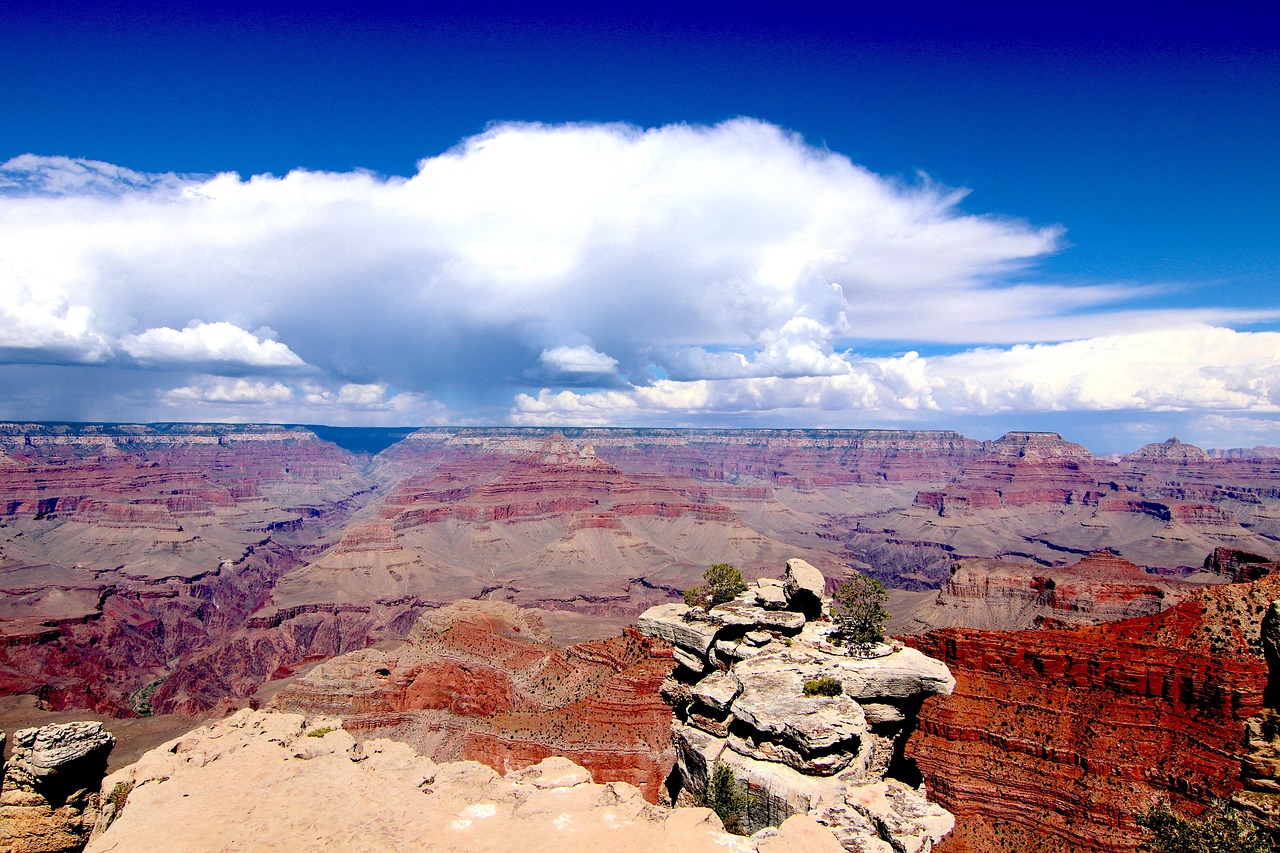
Canyon Day in Arizona offers a thrilling outdoor experience with breathtaking views and diverse trails. This comprehensive guide navigates the best routes, safety tips, and unique highlights for an unforgettable canyon day trip. From novice hikers to experienced adventurers, discover why Canyon Day is a must-do for exploring Arizona’s natural wonders.
Introduction: Embracing Canyon Day in Arizona
Canyon Day Arizona: An immersive journey into one of nature’s most awe-inspiring spectacles awaits those who embark on a canyon day adventure in Arizona. This state is renowned for its majestic canyons, carved by time and rivers, offering an array of hiking trails that cater to all skill levels. Whether you’re a seasoned hiker or a first-time explorer, Canyon Day provides an opportunity to connect with the rugged beauty of Arizona’s wilderness.
In this guide, we’ll take you through the essentials for planning and navigating some of Arizona’s most captivating canyons. From choosing the right trail to packing essential gear, we’ve got you covered for an unforgettable canyon day experience. Get ready to immerse yourself in the raw, untamed beauty that Arizona has to offer!
Planning Your Canyon Day Adventure
Choosing the Right Canyon and Trail
Arizona boasts numerous breathtaking canyons, each with its unique character and challenges. When planning your canyon day, consider these popular options:
- Grand Canyon National Park: An iconic destination offering countless trails for all abilities. From easy rim trails to strenuous steep descents into the canyon, it caters to every hiker’s desire.
- Sedona Red Rocks: Known for its striking red sandstone formations, Sedona presents a network of trails through towering rocks and scenic vistas.
- Monument Valley: This Navajo Tribal Park features majestic buttes and mesas, providing moderate to challenging hikes with stunning scenery.
- Havasupai Falls: Reachable only by helicopter or foot, this remote canyon boasts breathtaking waterfalls and blue-green pools, demanding a greater level of fitness.
Selecting a Trail: Choose a trail that aligns with your fitness level and interests. Consider factors like distance, elevation gain, terrain, and scenic highlights. For a memorable day hike, opt for a route that offers a mix of diverse landscapes and challenging sections to keep the experience engaging.
Timing Your Visit
The best time for a canyon day trip in Arizona depends on your preferences:
- Spring (March-May): Enjoy mild temperatures and less crowded trails. Wildflowers bloom, adding color to the rugged terrain.
- Summer (June-August): Expect hotter days, but also fewer tourists. Early morning or late afternoon hikes are ideal for beating the heat.
- Fall (September-November): Cooler temperatures return, making it an excellent time for longer day hikes. Autumn foliage adds a vibrant display to the canyon walls.
- Winter (December-February): The most serene time with fewer visitors. However, be prepared for cold weather and potential snow in higher elevations.
Essential Gear and Packing Tips
Proper preparation ensures a safe and enjoyable canyon day:
- Comfortable Hiking Boots: Sturdy, broken-in boots are essential to navigate uneven terrain and prevent blisters.
- Breathable Clothing: Layering is key for temperature regulation. Wear quick-drying fabrics that protect against sun and wind.
- Sun Protection: A wide-brimmed hat, sunglasses, and sunscreen (SPF 30 or higher) are vital to shield yourself from intense desert sunlight.
- Hydration: Carry ample water and consider a hydration pack for easy access during your hike. Arizona’s dry climate demands consistent rehydration.
- Navigation Tools: A detailed map, compass, or GPS device will help you stay on track, especially in remote areas.
- First-Aid Kit: Pack basic supplies to treat minor injuries or blisters.
- Flashlight/Headlamp: Useful for early morning starts or exploring slot canyons in low light.
Exploring Diverse Canyon Trails in Arizona
Grand Canyon National Park: Rim and Inner Canyon Trails
Grand Canyon offers a vast network of trails catering to all skill levels. Here are some highlights:
- South Kaibab Trail: A challenging descent into the canyon with stunning views of the Colorado River. The steep grade requires careful navigation for beginners.
- Bright Angel Trail: One of the most popular routes, it offers a gradual incline along the canyon rim, rewarding hikers with breathtaking vistas.
- Rim Trail (West Rim): An easy walk provides access to scenic viewpoints and ancient Native American cliff dwellings.
- Ooh Aah Point: A short, moderately paced hike offering one of the best overlooks of the Grand Canyon.
Sedona Red Rocks: Easy to Moderate Trails
Sedona’s red sandstone formations provide a unique hiking experience:
- Cathedral Rock Trail: A 2.4-mile loop considered moderate due to steep inclines. It leads to an iconic viewpoint with panoramic desert vistas.
- Bell Rock Pathway: An easy, flat trail suitable for all ages, offering close-up views of the famous Bell Rock formation.
- West Fork Trail: A moderate hike through a lush canyon, popular in winter due to its year-round water flow.
Monument Valley: Exploring the Iconic Buttes and Mesas
Monument Valley’s rugged landscape is a hiker’s paradise:
- Catwalk (One-way): This challenging 3.2-mile trail connects several iconic viewpoints, including Wave and The Mitten. It requires a permit and offers a once-in-a-lifetime experience.
- West Rim Loop: An easier option showcasing the valley’s distinctive buttes and mesas.
- Eagle Point Trail: A short hike to a breathtaking viewpoint featuring towering sandstone formations.
Safety Tips for Your Canyon Day Adventure
Navigating Remote Trails
Some Arizona canyons are remote, requiring careful planning:
- Inform Someone: Let friends or family know your planned route and expected return time. Carry a map or GPS coordinates for easy reference.
- Permits: Obtain any necessary permits in advance, especially for popular trails like the Grand Canyon’s South Kaibab or Monument Valley’s Catwalk.
- Stay on Marked Trails: Avoid venturing onto unmarked paths, as they can be treacherous and lead to inaccessible areas.
- Carry Communication Devices: A satellite phone or personal locator beacon is valuable in case of emergencies, especially in remote regions.
Heat and Dehydration Prevention
Arizona’s scorching summers demand extra precautions:
- Hike Early or Late: Start your hike before 10 AM to avoid the hottest part of the day. Consider evening hikes during summer months.
- Stay Hydrated: Drink plenty of water throughout the day, even if you don’t feel thirsty. Avoid excessive caffeine and alcohol consumption.
- Clothing Choices: Wear lightweight, light-colored clothing that reflects sunlight. A wide-brimmed hat provides shade to your face and neck.
- Take Breaks: Rest in shaded areas during hotter parts of the day. Allow ample time for your hike to avoid rushing and overheating.
Wildlife Encounters and Animal Safety
Arizona’s canyons are home to diverse wildlife:
- Bears and Cougars: While rare, bear and cougar encounters are possible. Store food securely, make noise while hiking, and avoid lone trees or dense brush where these animals may hide.
- Rattlesnakes: Keep a safe distance from rocks and logs where rattlesnakes tend to shelter. If you do encounter one, do not attempt to catch or kill it. Back away slowly and report the sighting.
- Desert Tortoises: Respect these ancient reptiles by giving them space and never disturbing or harassing them.
Unique Canyon Day Experiences in Arizona
Night Hiking and Camping
For an unforgettable adventure, consider:
- Night Hikes: Explore canyons under the starry sky. Some parks offer guided night hikes to witness the desert come alive with nocturnal animals.
- Camping: Set up camp in designated areas for an extended canyon day experience. Backcountry camping provides a chance to immerse yourself fully in nature.
Cultural and Historical Insights
Arizona’s canyons hold deep cultural significance:
- Native American Ruins: Many canyons feature ancient cliff dwellings and petroglyphs, offering insights into the region’s indigenous history. Grand Canyon National Park and Sedona are excellent places to learn about local Native American tribes.
- Cultural Tours: Some areas offer guided tours with knowledgeable locals who share stories and traditions, enhancing your canyon day experience.
Conclusion: Embracing Arizona’s Canyon Day Magic
Canyon Day in Arizona is a transformative outdoor experience that captivates the senses and inspires awe. From grand canyons to remote slot canyons, Arizona’s diverse terrain offers something for every adventurer. By choosing the right trail, preparing adequately, and respecting the natural environment, you can create lasting memories on your canyon day journey.
Whether you’re a seasoned hiker or exploring for the first time, remember that safety comes first. With proper planning and awareness, Arizona’s canyons will reveal their secrets and beauty to all who dare to embark on this epic adventure. So, pack your gear, set out early, and embrace the magic of Canyon Day in Arizona!