Introduction
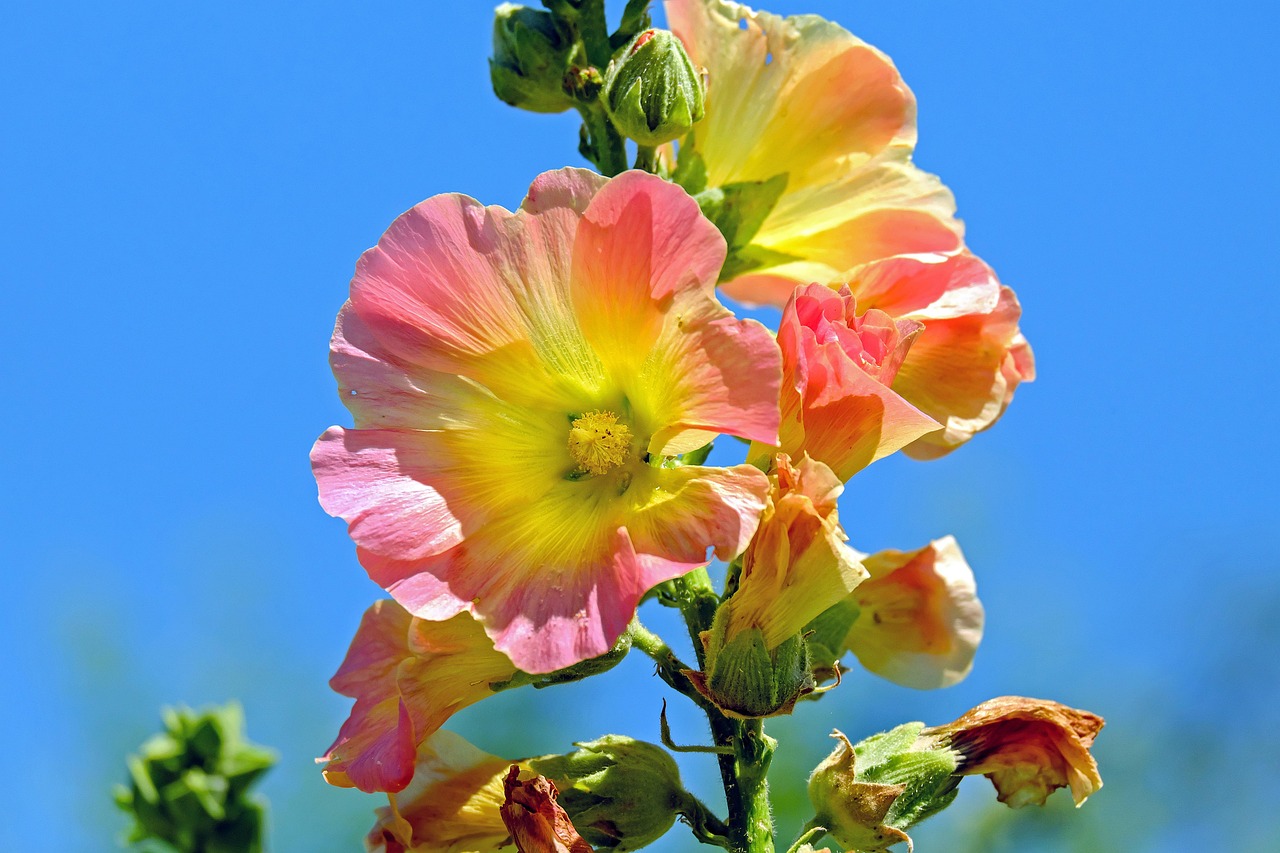
Hollyhocks, with their vibrant, tall spires of flowers, are a surprising sight in summer gardens. These striking perennials, scientifically known as Syberia and Helechnum, offer a burst of color and a touch of vintage charm when they bloom from late spring to early summer. This month, as the season reaches its peak, there’s no better time to delve into the world of hollyhocks and discover the surprising events and activities surrounding this captivating plant.
Understanding Hollyhocks: A Surprising Garden Favorite
What Are Hollyhocks?
Hollyhocks are herbaceous perennials native to eastern Asia and Europe. They belong to the Syberia genus, characterized by their tall stems adorned with clusters of small flowers that form large spires, giving them a unique and captivating appearance.
Historical Significance
These plants have been cultivated for centuries, dating back to at least the 16th century in Europe. They were once popular in formal gardens and have since made a comeback as beloved perennials in modern landscaping. Their historical significance adds to their allure, making them more than just pretty flowers—they’re pieces of living history.
Varieties and Growth Habit
There are numerous varieties of hollyhocks, each offering unique colors and growth habits. Common colors include pink, red, white, and purple, with some rare varieties showcasing multi-colored blooms. Plants typically grow between 3 to 6 feet tall, making them excellent for adding height to borders or as a focal point in cottage-style gardens.
Hollyhock Season: A Timeline of Surprising Events
Spring: Planting and Preparation
The hollyhock season begins in spring when gardeners start preparing their beds and planting these perennials. This is the perfect time to surprise yourself by trying new varieties or expanding your existing collection. Here are some key activities during this period:
- Planting: Start with healthy, certified plants from reputable nurseries. Ensure well-drained soil and plant them in full sun for best results.
- Soil Preparation: Hollyhocks thrive in fertile, moist soil rich in organic matter. Amend the planting area with compost or well-rotted manure to provide essential nutrients.
- Spacing: Space plants appropriately to allow for good air circulation, which helps prevent diseases and promotes healthy growth. Generally, 2–3 feet between plants is recommended.
Late Spring/Early Summer: Blooming Wonder
As the weather warms in late spring, hollyhocks begin to bloom, offering a surprising display of vibrant colors that can last for several weeks. This is the peak season for these plants, and here’s what you can expect:
- Bloom Time: The exact timing varies by variety, but most hollyhocks start blooming in late May or early June and can continue until mid-summer.
- Colorful Spectacle: From delicate pastels to bold, vibrant hues, the flowers create a stunning visual impact. They attract attention and are often the centerpiece of many gardens during this time.
- Attracting Pollinators: Hollyhocks are excellent for supporting local pollinators, especially bees, butterflies, and hummingbirds. Their long blooms provide ample nectar sources, making them a valuable addition to any pollinator-friendly garden.
Mid-Summer: Maintaining and Harvesting
Once hollyhocks bloom, they require minimal maintenance, allowing gardeners to enjoy their beauty while focusing on other tasks. This period is also an excellent time for harvesting seeds and dividing clumps for propagation:
- Deadheading: Remove spent flowers regularly to encourage continuous blooming throughout the summer. Deadheading not only keeps the plant looking neat but also conserves energy for future flower production.
- Harvesting Seeds: Hollyhock seeds are valuable for both saving and sharing. Allow some flowers to set seed heads, then gently remove them and dry them in a well-ventilated area. Store seeds in an airtight container until planting time next spring.
- Dividing Clumps: Every 3–4 years, divide hollyhock clumps to maintain plant health and vigor. This process also allows you to share the plants with friends or family, surprising them with this charming flower.
Late Summer/Early Fall: Preparation for Next Season
As summer wanes, gardeners begin to prepare for the next growing season. For hollyhocks, this means ensuring proper care during their dormant period and planning for the upcoming spring bloom:
- Fall Care: After the first frost, cut back plants to ground level. Remove any remaining debris and apply a layer of organic mulch around the base to protect roots from harsh winter conditions.
- Storage: In regions with harsh winters, store hollyhock seeds or divide clumps indoors until spring planting to ensure their viability.
- Planning for Next Season: Late summer is an excellent time to order new varieties or plan where to plant them in your garden next year, ensuring a surprising and colorful display once again.
Exploring Hollyhock Events This Month
This month, various events and activities revolve around hollyhocks, providing opportunities for both gardeners and flower enthusiasts to delve into the world of these captivating perennials:
Garden Tours and Shows
Many gardens and nurseries organize special tours and shows featuring hollyhocks as the star attraction. These events are perfect for discovering new varieties, learning care tips from experts, and exchanging ideas with fellow gardeners. Check local garden clubs or botanical gardens for details on upcoming hollyhock-focused tours.
Workshops and Classes
Local community centers, nurseries, or gardening societies often host workshops and classes dedicated to growing and caring for hollyhocks. These interactive sessions cover topics such as:
- Planting and propagating techniques
- Choosing the right varieties for your climate
- Creative ways to incorporate hollyhocks into your garden design
- Tips for attracting pollinators with hollyhocks
Floral Arrangements and Design Demonstrations
Hollyhocks make excellent cut flowers, adding a unique touch to bouquets and arrangements. Some florists or gardening events host demonstrations showcasing how to incorporate these tall perennials into floral designs. These workshops are perfect for learning new skills or inspiring creative ideas for your own garden or event displays.
Community Garden Challenges
Community gardens often organize challenges where participants compete to create the most stunning hollyhock-themed displays. Such events foster a sense of camaraderie among gardeners and result in breathtaking displays that surprise and delight everyone involved. Keep an eye on local community garden initiatives for such opportunities.
FAQs About Hollyhocks This Season
When is the best time to plant hollyhocks?
The best time to plant hollyhocks is in late spring or early summer after the last frost date has passed. This ensures that plants have enough time to establish before colder weather sets in. However, you can also plant them in fall, allowing them to over-winter and bloom the following year.
How do I ensure my hollyhocks bloom next year?
To encourage robust blooming, divide clumps every 3–4 years to refresh the soil around the roots. Remove spent flowers regularly during the growing season to promote continuous blooming. Additionally, provide ample sun, water, and fertile, well-drained soil for optimal growth.
Are hollyhocks easy to grow?
Hollyhocks are generally easy to grow once established, requiring minimal care. They thrive in full sun and well-drained soil, making them suitable for most gardens. However, they can be sensitive to wet conditions, so ensure good drainage to prevent root rot. Regular deadheading and dividing clumps every few years will keep your hollyhocks healthy and blooming.
Can I grow hollyhocks indoors?
While hollyhocks are primarily outdoor plants, it’s possible to grow them indoors in containers during the winter months. Ensure you provide sufficient light and maintain consistent moisture levels. However, they are not as robust indoors, so don’t expect the same level of blooming as with outdoor plants.
How do I prevent pests and diseases?
Hollyhocks are relatively problem-free, but a few common pests and diseases include aphids, rust, and root rot. Regular monitoring can help catch issues early. Use organic pest control methods if needed, and ensure good air circulation to prevent diseases. Proper spacing and well-drained soil also contribute to overall plant health.
Conclusion: Embrace the Hollyhock Surprise
This month, as hollyhocks bloom in vibrant colors across gardens worldwide, it’s an excellent time to embrace the surprise they bring to our outdoor spaces. From planting and caring for these perennials to enjoying their beauty in various events and displays, there’s no shortage of ways to immerse yourself in the world of hollyhocks. Whether you’re a seasoned gardener or just starting your green journey, these captivating plants offer a unique and rewarding experience that promises to surprise and delight throughout the season.